Key points:
- Real-world learning makes green jobs visible
- Place-based models build practical understanding
- Employer and expert input strengthens pathways
Evidence content
For many learners, green jobs and climate action can feel distant or abstract.
The Green Live Learning Lab (GLLL) at Westminster Adult Education Service addresses this by using the local area as a “living classroom”, connecting learning directly to real-world projects and environments.
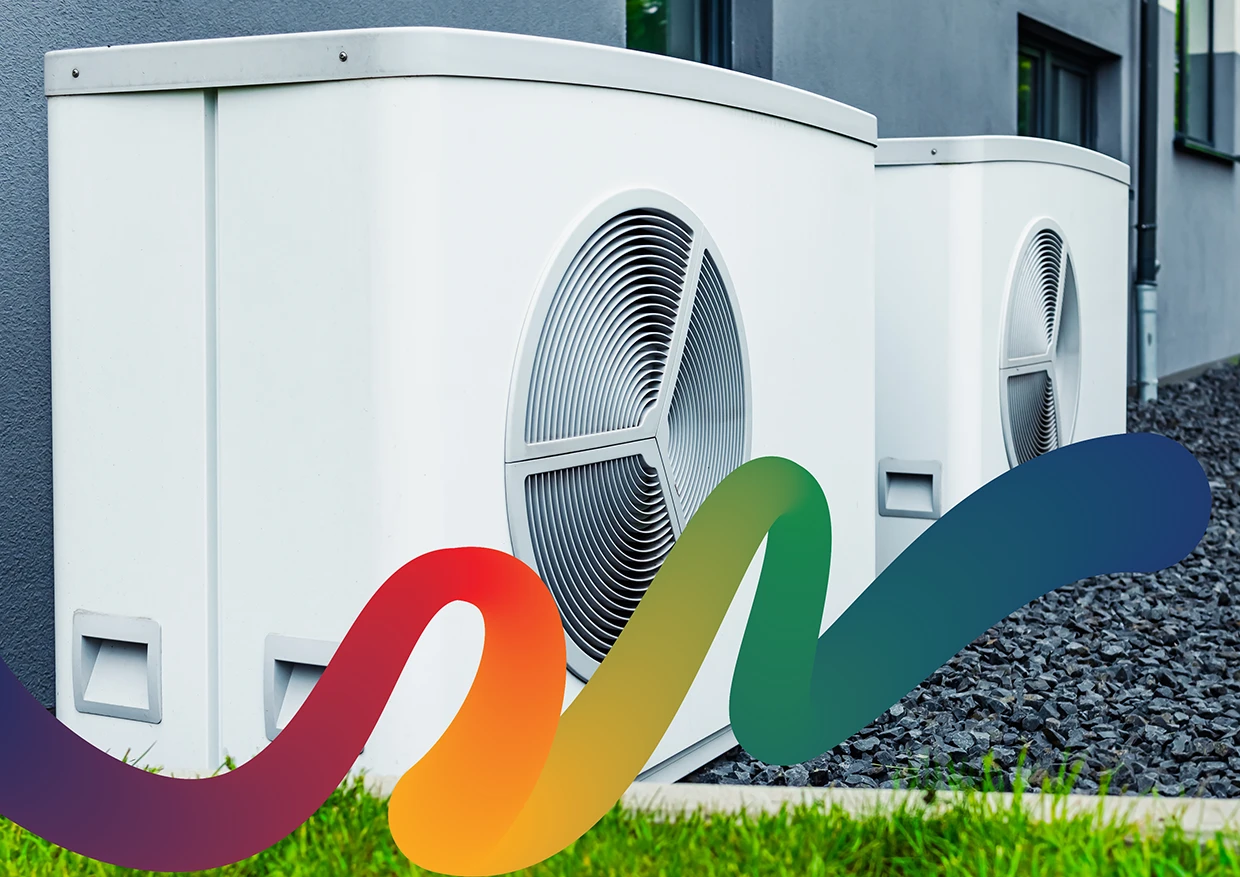
Learners take part in site visits across Westminster, including retrofit housing projects, solar installations, heritage buildings and commercial developments. These experiences provide practical insight into how sustainability is applied in different settings.
In 2024–25, 105 learners completed the core programme, with a further 225 taking part in partner-led sessions and activities, demonstrating growing engagement and reach.
A key feature of the model is collaboration. The programme is co-delivered with around 20 sustainability experts and partners, allowing learners to engage directly with professionals working in the sector.
Sessions cover areas linked to Westminster’s Climate Action Plan, including retrofitting, renewable energy, climate adaptation and behaviour change. This ensures learning is aligned with real policy and industry developments.
The impact is reflected in increased confidence and understanding. Learners report greater awareness of local climate action and a clearer sense of how they might engage with or pursue opportunities in the green economy.
The programme also focuses on accessibility. By combining structured learning with site visits, family learning and co-created resources, it supports a wide range of learners, including those for whom English is not a first language.
This model highlights how adult learning can support future workforce needs. By making emerging sectors visible and relevant, and by connecting learners directly with real projects and professionals, it helps build the skills, awareness and confidence needed to engage with the transition to a low-carbon economy.