Key points:
- Paid placements enable access to work opportunities
- Personalised support improves engagement and retention
- Employer partnerships create meaningful pathways
Evidence content
For young people facing complex challenges, traditional routes into employment are often not accessible.
Camden’s Youth Pathway Finder Project is designed to address this by creating structured, supported pathways into work for residents aged 19 to 25 who have been impacted by youth violence.
A key feature of the model is the use of paid work placements. Participants are offered six-month placements at the London Living Wage, enabling them to engage in employment without the financial barriers that often prevent participation.
Alongside this, the project provides a highly personalised, trauma-informed approach. Each participant receives tailored support based on their individual circumstances, helping them overcome barriers related to housing, mental health, previous experiences or involvement with the criminal justice system.
Practical support is also a critical component. The project helps remove barriers by providing access to travel costs, training or specialist equipment, ensuring participants can take part fully in their placements.
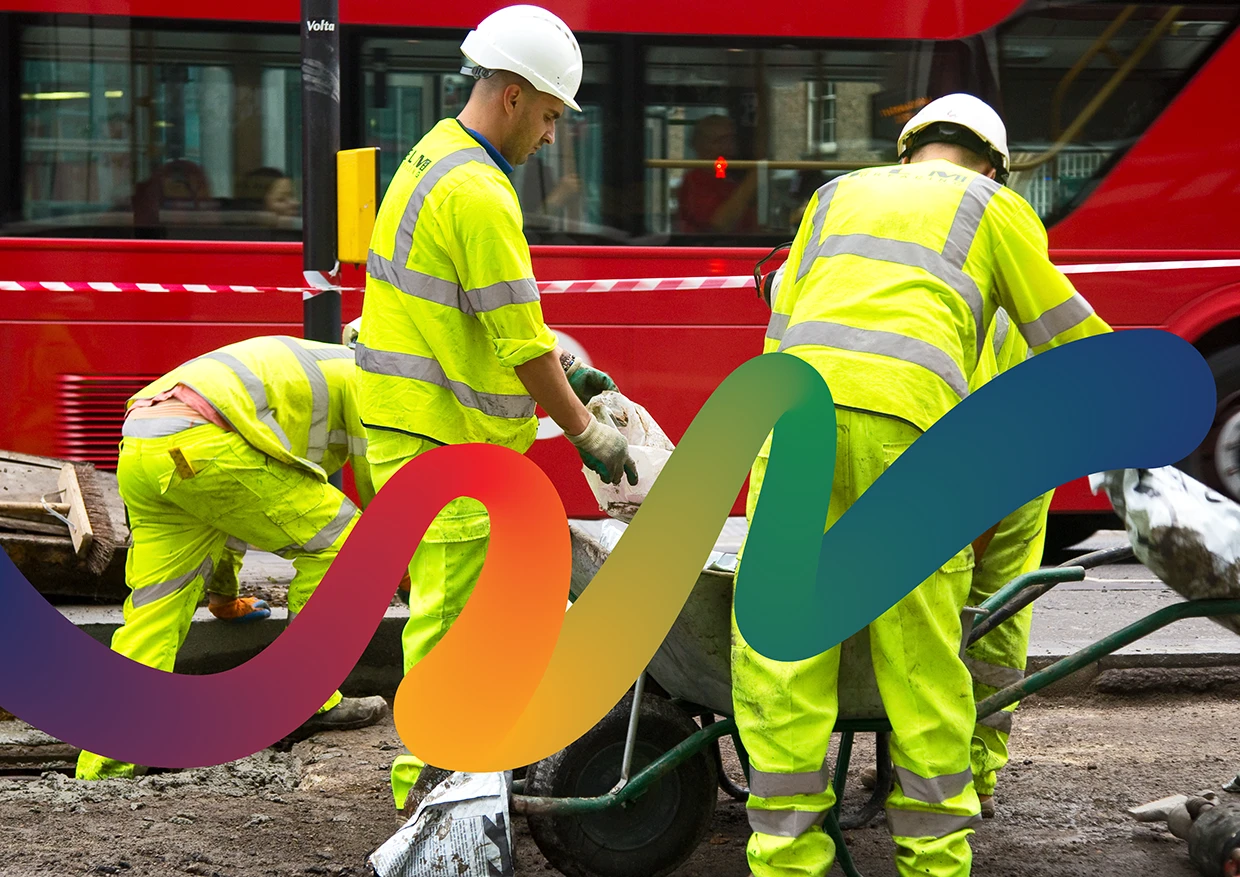
Strong employer partnerships underpin the programme. Camden works closely with employers across a range of sectors – including construction, rail, hospitality, retail and the creative industries – to create supportive and meaningful work environments.
This combination of:
- paid work
- personalised support
- practical barrier removal
- employer engagement
creates a model that enables sustained participation.
Participants gain real workplace experience while developing the confidence, skills and routines needed for long-term employment.
The impact goes beyond individual outcomes. By supporting young people into employment, education or further training, the programme helps reduce disengagement and creates more stable pathways into the workforce.
This model demonstrates how targeted, structured support can improve outcomes for young people facing significant barriers – creating more effective and sustainable routes into employment.