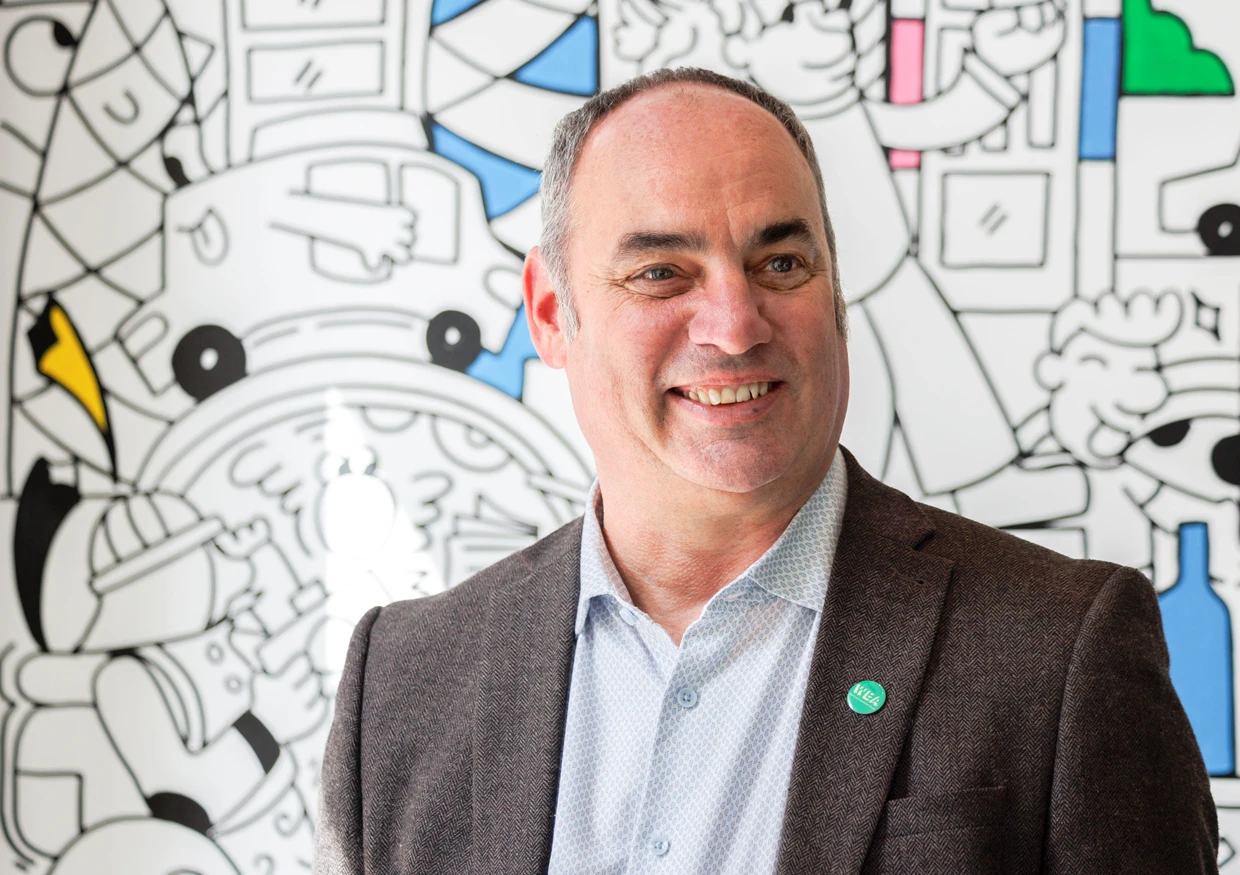
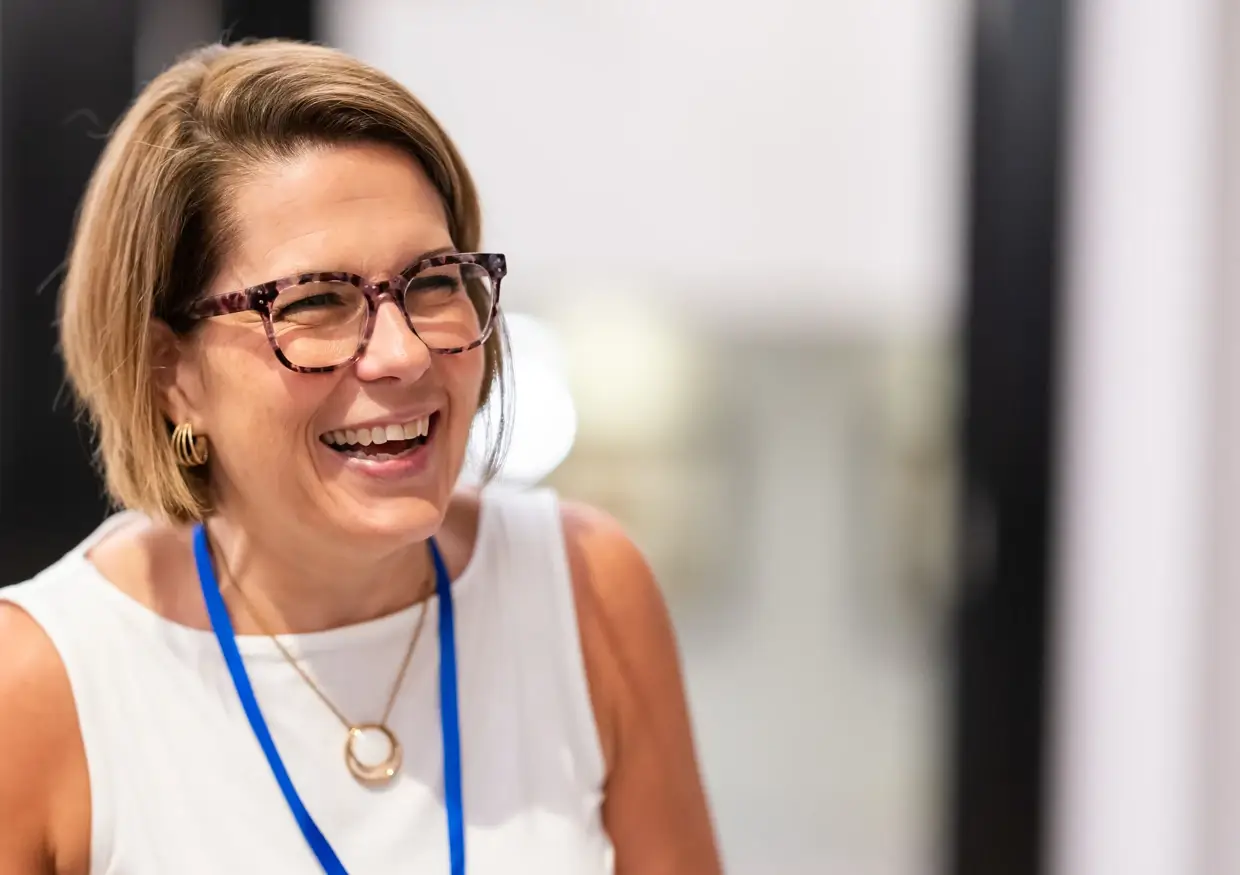
In this summer’s third record breaking heat wave Caroline McDonald, CEO of Holex, is working from her Kent home office that doubles as a spare bedroom. She’s just completed a busy summer networking conference in Manchester and is off tomorrow to Nottingham. But after that she’s promised herself more thinking time working from home.
It’s been a busy year as HOLEX, set up more than 20 years ago, is the national voice for adult community education in England. It has around 150 members including local authority adult education provider and institutes of adult learning (eg, working men’s colleges). It is the only organisation that represents purely adult community learning issues. HOLEX also lobbies around policy development, offers CPD training and helps local authorities better connect and collaborate over the best ways to spend their adult skills funding.
The HOLEX team are clear that the Government’s Post-education and Skills White Paper is too narrow. On the website homepage they state what’s wanted – a “people’s skills solution that puts lifelong learning, wellbeing and communities at the heart of skills reform.”
National strategy call
“The challenge we have is that lifelong learning doesn’t currently have a national strategy,” said Caroline. It doesn’t have a framework or anchorage around it at a national level, which makes it quite difficult to then materialise and realise at local levels. And that’s why local authorities, as well as devolved regions, are doing a lot of work to give more meaning and resonance to lifelong learning at probably a much more geographically local level.”
Already there are myriad forms of lifelong learning ranging from accredited learning and non-accredited learning with subjects that might have begun at school, start as a hobby, happen outside, give pleasure through retirement or families, communities or work and is undertaken by different ages, classes and income levels.
“That’s why it’s so important,” says Caroline.
But there’s a snag: “The evidence can be quite difficult to prove because some of it is very personal – whether that’s to do with health outcomes, accessibility services, such as the NHS or local community provisions, or… being able to pick up a telephone and do a FaceTime with your family, go to a crochet club or to my local park for some time out. They all play into this thing that gives everyone a sense of wellbeing, a sense of place, a sense of purpose and meaning. It’s very subjective but most government departments require endless amounts of data and research to prove impacts. We all know that as individuals all I can do is tell you what it means to me and how it makes me feel. That’s why it’s so important that we talk about lifelong learning both as a structured piece of experience as well as a softer piece, because they both in their own ways have important weighting and important value, and neither of them outstrip the other.
“Every day we all do some form of lifelong learning, whether that’s accessing an app, going to the gym or for a walk, learning about nature, or interacting with your children or grandchildren differently. We are all on some sort of a journey.”
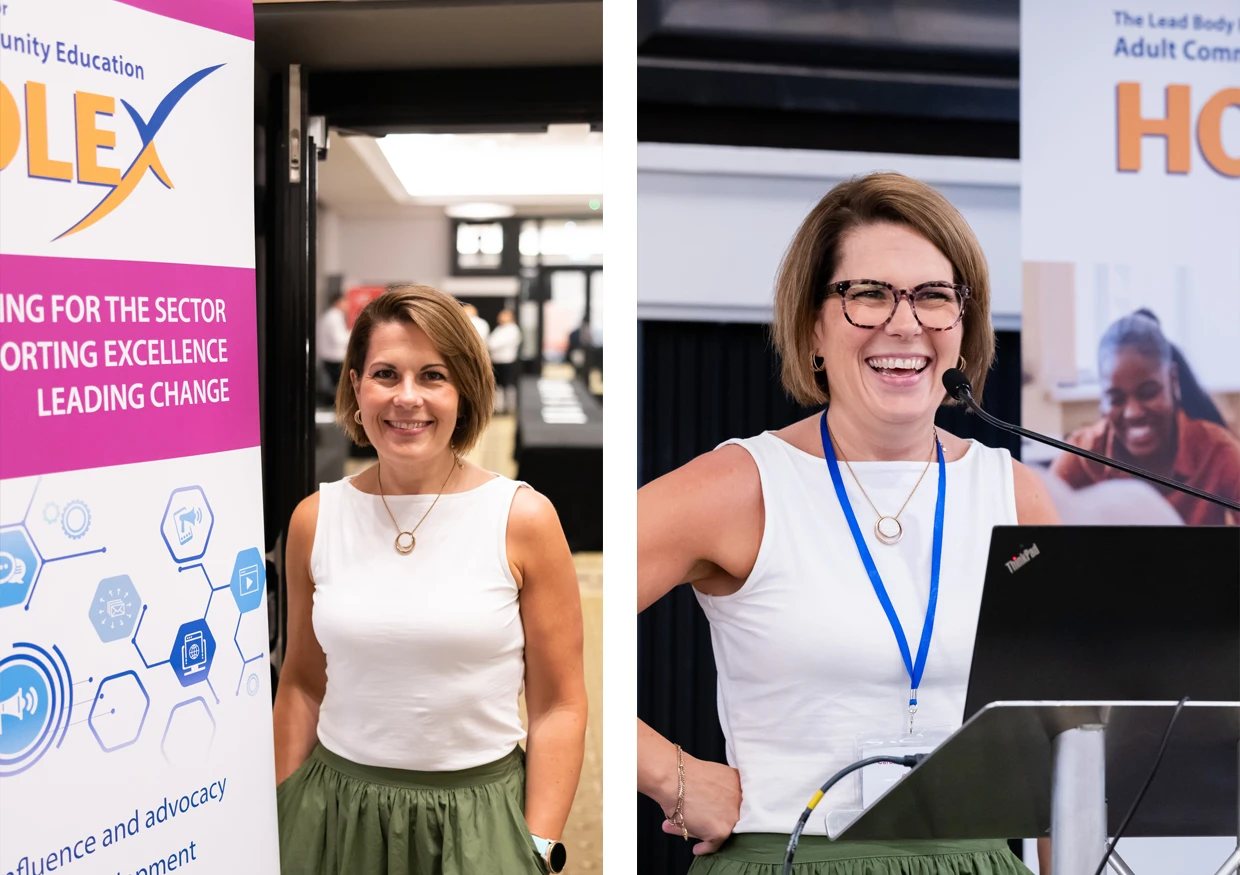
Interview imagery © Darren Robinson Photography Ltd.
Reshifting the focus
There are also issues about how much employers and providers offer in terms of wellbeing as when it comes to lifelong learning they tend to prioritise productivity or unlocking talent.
“Wellbeing at work can sound woolly, but we know – especially post covid – how mental, physical and social wellbeing is fundamental to people being able to become more productive and unlock their talent. If you don’t have those fundamentals in place, you can’t unlock all those other opportunities later down the line,” explains Caroline.
“In our sector a lot of time is spent undoing the awfulness a lot of adults have been through during their previous educational experiences. We spend time trying to make people feel better about themselves, invest in themselves and appreciate that self-worth a lot more. Self-belief requires a lot of human love, and the beginning of that is around wellbeing it’s about being seen as an individual and helped as an individual connecting back up again with services and support that puts people on the right track.”
Once you’ve got the wellbeing sorted, she suggests, “then you go into unlocking talent and productivity. But the idea that you can just jump straight into being a highly functioning, highly productive individual without that part – well, you just can’t…”
Meanwhile all around us lifelong learning continues. Next step is how to capture those beneficial wellbeing impacts to help inspire a national strategy.