
Let the People Sing
Lifelong learning is the unsung hero of the educational landscape but it’s tricky to prove when data about the beneficial impacts can be so difficult to capture explains Caroline McDonald from HOLELX. Interview by Nicola Baird.

Lifelong learning is the unsung hero of the educational landscape but it’s tricky to prove when data about the beneficial impacts can be so difficult to capture explains Caroline McDonald from HOLELX. Interview by Nicola Baird.

Practical learning can have an immediate impact on people’s everyday lives. Building confidence with budgeting, spending and basic maths skills helps learners make informed decisions, reduce stress and improve financial stability.
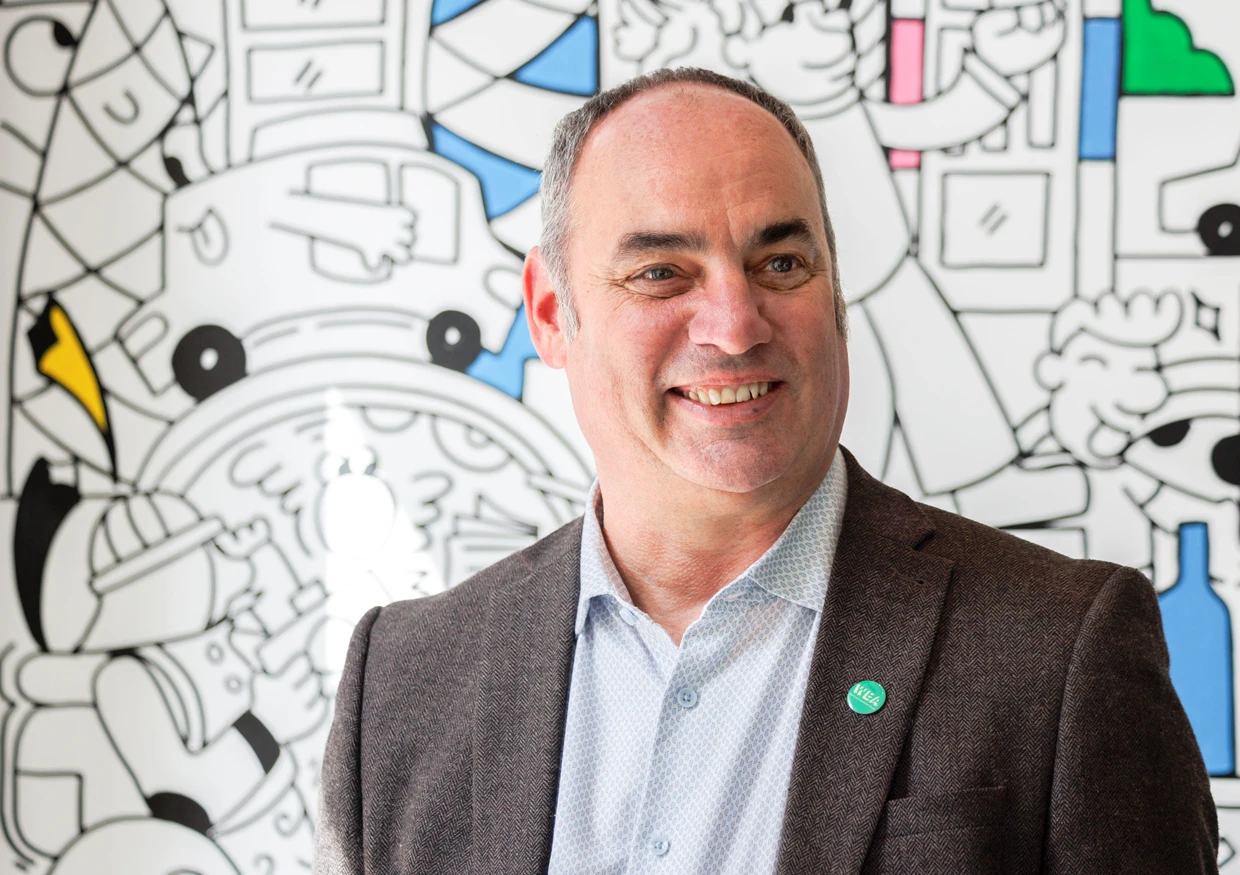
Simon Parkinson, CEO of the large adult learning charity, WEA, looks at the multiple pluses lifelong learning courses give adults – something that gets lost in translation by a government that still has no overall adult learning strategy. Interview by Nicola Baird.

During periods of grief or isolation, informal learning can provide structure, connection and a supportive space to rebuild confidence.

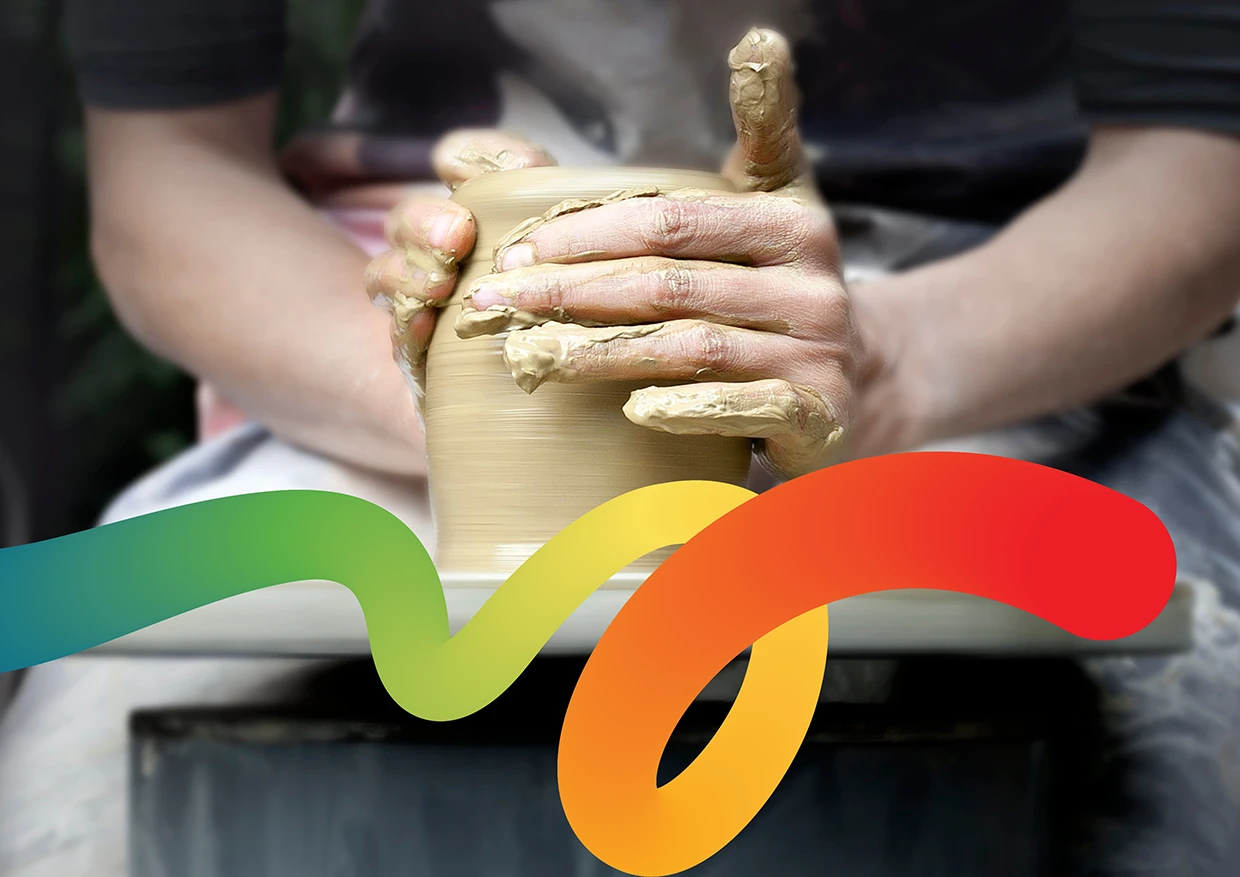
For many learners with learning difficulties or disabilities, the pathway into work is not always accessible through traditional routes. Practical, hands-on learning can provide a more effective way to build skills, confidence and independence.

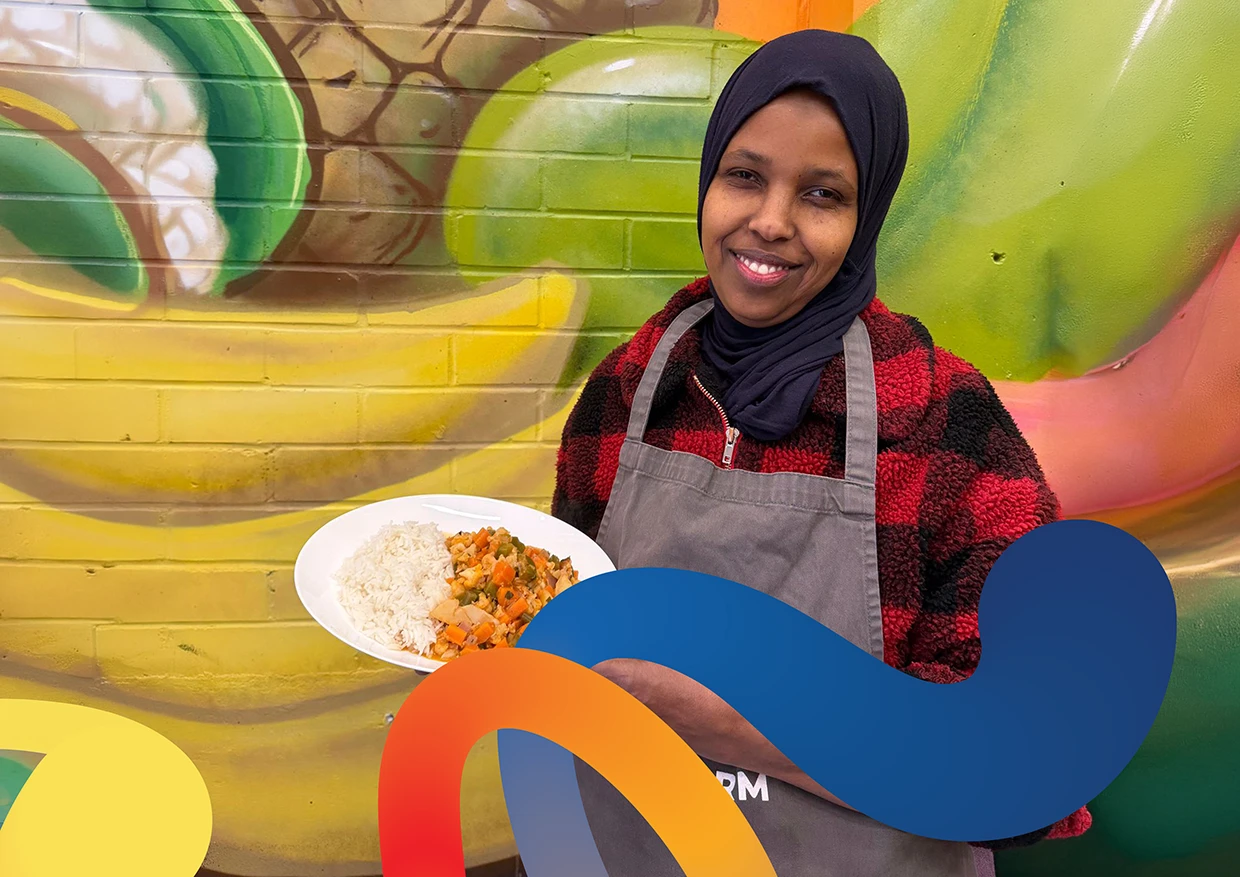
For many people arriving in the UK, the journey into work begins with learning English and rebuilding confidence. Progression is rarely linear – it often involves moving through different types of learning over time.

For some adults, learning provides a way to rebuild direction and identity after difficult life experiences. Creative courses can offer structure, purpose and a space to develop both skills and confidence.

For many learners, the step from developing a skill to using it in the real world can feel like the hardest part. Opportunities to test that transition in a supportive environment are key.

Learning often begins with confidence, not qualifications. For many adults with low English levels, the first step is building the ability to communicate, connect with others and take part in everyday life.

For some adults, learning is not about gaining new skills, but relearning how to live independently after life-changing events.
This website uses cookies to ensure you get the best experience on our website. Learn more
What are you looking for?
One thing remains constant. That London changes at pace.
Subscribe to the newsletter and receive regular insight updates.
Receive our newsletter sent six times a year – sharing articles, interviews and perspectives from across London’s adult and community learning network.